
Are you worried about finding a machine that fits your compact kitchen space? Follow my…
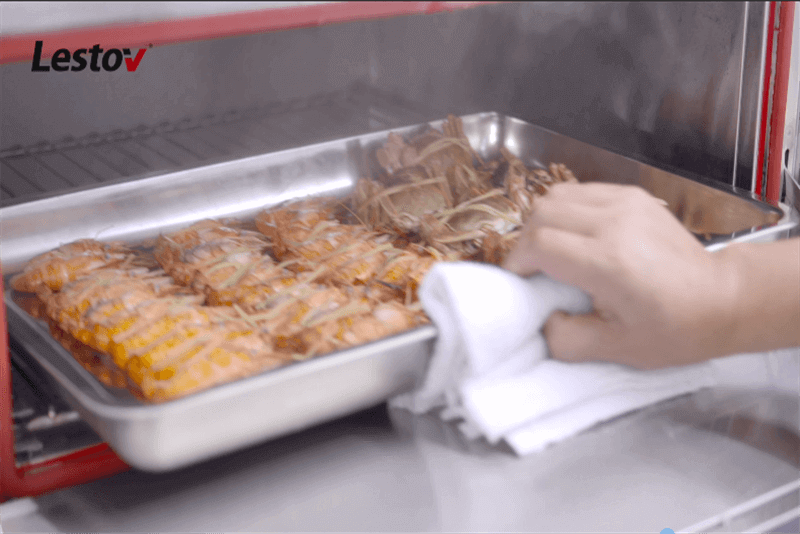
Why Chef Jack Switched to Commercial Induction Steamers: The Ultimate Guide
Imagine the heart of your restaurant’s kitchen during the lunch rush: orders flying in, chefs moving like lightning, and the steam table working overtime. For Chef Jack, a seasoned culinary expert with 20 years of experience, the steamers in his kitchen were both a lifeline and a constant source of frustration.
Until he discovered commercial induction steamers, in this comprehensive guide, we’ll explore why induction steamers outperform traditional electric or gas models, what chefs like Jack care about, and why restaurant owners are making the switch. Whether you run a hotel, school, or restaurant, this is the ultimate resource for upgrading your kitchen operations.
I. The Kitchen Nightmare-Chef Jack’s Story
Chef Jack used to dread peak hours. His old electric steamer took forever to heat up, and the inconsistent temperature meant some batches of rice were overcooked while others were undercooked.
The kitchen would turn into a sauna, and his staff complained about the heat and humidity. Gas steamers were faster but posed safety risks and higher operational costs. Jack knew he needed a change. That’s when he tried a commercial induction steamer.
The transformation was remarkable. The induction unit heated up in minutes, not hours. The digital controls allowed precise temperature adjustments for different foods. Best of all, the kitchen stayed cool and comfortable even during the busiest services. Jack’s story illustrates why thousands of kitchens worldwide are making the switch to induction technology.
II. Why Induction Steamers Beat Electric and Gas Models
1、Energy Efficiency and Cost Savings
Commercial induction steamers represent a quantum leap in energy efficiency. Using electromagnetic technology to heat water directly, they achieve an impressive 90%+ thermal efficiency.
The science behind this efficiency is fascinating. Traditional electric steamers use resistance heating elements that must heat themselves before transferring heat to water, losing energy in the process. Gas models lose substantial heat through exhaust and ventilation systems. Induction technology, however, creates electromagnetic fields that excite water molecules directly, minimizing energy waste.
2、Speed and Precision
In a commercial kitchen, time is money. Induction steamers reach optimal steaming temperature in under 5 minutes, while electric models typically require 15-20 minutes of preheating. Gas models offer quicker heating but lack the precise temperature control of induction systems.
The digital controls on induction units allow chefs to set exact temperatures for different foods: 100°C for perfect rice, lower temperatures for delicate fish, or higher settings for dense root vegetables. This precision eliminates guesswork and ensures consistent results batch after batch.
3. Safety and Comfort
Traditional steamers create significant safety concerns. Gas models present fire hazards and carbon monoxide risks, requiring expensive ventilation systems. Electric steamers become dangerously hot to the touch and can cause kitchen temperatures to soar.
Induction steamers address these issues comprehensively:
- Surfaces remain cool to the touch, preventing burns
- No open flames or combustion eliminates fire risks
- Minimal ambient heat keeps kitchen temperatures comfortable
- Automatic shut-off features prevent dry operation
4. Durability and Maintenance
The construction of induction steamers focuses on longevity. High-quality stainless steel bodies resist corrosion and scaling. Simplified internal components mean fewer failure points compared to complex gas systems or electric heating elements.
Maintenance is straightforward:
- Removable trays and tanks simplify cleaning
- Automated descaling systems reduce maintenance time
- Self-diagnostic systems alert staff to potential issues
- Minimal scale buildup due to efficient water use
-
 12 Steaming Trays Restaurant Induction Food Steamer LT-ZF12-120
 -
 Industrial Induction Cooking Rice Steamer 12 Trays LT-ZF12-E115
 -
 Double Tiers Restaurant Induction Rice Roll Steamer LT-CFII-E115
 -
 Commercial Countertop High Temperature Food Steamer LT-GZ-B105
 -
 24 Trays Commercial Induction Rice Steamer LT-ZF24-E120
 -
 Éttermi indukciós Dim Sum pároló LT-QXL-E115
 -
 3 szintes kereskedelmi indukciós tengeri herkentyű pároló LT-HI-E125
III. What Chefs Care About-The Operator’s Perspective
Through years of working with professional chefs like Jack, we’ve identified five critical factors that determine steamer satisfaction:
1. Consistency and Quality
Every batch must meet exacting standards. Induction steamers provide even heat distribution that eliminates hot spots, ensuring uniformly cooked food, whether you’re preparing rice for 50 or dumplings for 200.
2. Capacity and Throughput
High-volume operations need equipment that can keep pace. Modern induction units offer:
- Multiple stacked compartments for different foods
- Rapid recovery between batches
- Flexible configuration options
3. Ease of Cleaning
Busy kitchens can’t afford equipment that’s difficult to clean. The best induction steamers feature:
- Removable drip trays and tanks
- Smooth, rounded corners with no crevices
- Stainless steel surfaces that resist staining
- Automated cleaning cycles
4. User-Friendly Controls
Kitchen staff shouldn’t need advanced degrees to operate equipment. Intuitive digital interfaces with:
- Pre-programmed settings for common foods
- Clear visual indicators
- Simple adjustment controls
- Multi-language support for diverse staff
5. Space Efficiency
Even large kitchens have limited space. Induction steamers typically offer:
- Vertical designs that maximize capacity in a minimal footprint
- Flexible installation options
- Stackable configurations
IV. What Do Restaurants Steam? Beyond Rice!
While rice remains the most common steamed item, modern kitchens use steamers for an astonishing variety of preparations:
1. Grains and Starches
- Perfect fluffy rice of all varieties
- Nutrient-packed quinoa and couscous
- Hearty barley and farro
- Polenta and grits
2. Proteins
- Delicate fish fillets and seafood
- Chicken breasts and lean meats
- Dumplings and buns of all types
- Plant-based protein alternatives
3. Vegetables
- Crisp-tender broccoli and cauliflower
- Root vegetables like carrots and potatoes
- Leafy greens and asparagus
- Artichokes and corn on the cob
4. Desserts and Specialties
- Silky custards and flans
- Moist cakes and puddings
- Tamales and steamed breads
- Infusions and flavored dishes
The precision of induction steaming preserves nutrients, enhances natural flavors, and maintains ideal textures across all these food types.
V. The Owner’s Perspective-Why Induction Steamers Are a Smart Investment
As a restaurant owner, equipment decisions must make financial sense. Here’s why induction steamers deliver exceptional ROI:
1. Operational Economics
Energy Savings: Typical payback period of 12-18 months through reduced utility costs
Labor Efficiency: Faster operation and easier cleaning reduce staff requirements
Reduced Waste: Consistent results mean fewer failed batches
Longer Service Life: Durable construction means less frequent replacement
2. Productivity Enhancements
Higher throughput during peak periods
Ability to handle diverse menu items simultaneously
Reduced downtime for cleaning and maintenance
Flexibility for future menu expansion
3. Customer Satisfaction
Consistent food quality enhances reputation
Ability to offer healthier steamed options
Faster service during busy periods
Expanded menu capabilities
4. Sustainability Benefits
Lower energy consumption reduces environmental impact
Reduced water usage compared to traditional steamers
Cooler kitchens mean lower air conditioning costs
Appeal to environmentally conscious customers
VI. Implementation Guide-Making the Switch
Transitioning to induction steaming requires careful planning:
1. Assessment Phase
Analyze current streaming volume and patterns
Evaluate electrical infrastructure requirements
Consider space constraints and layout options
Review menu requirements and plans
2. Selection Criteria
Capacity requirements based on peak demand
Feature needs based on menu complexity
Brand reputation and service support
Budget constraints and financing options
3. Installation Considerations
Electrical requirements (voltage, amperage)
Water connection and drainage needs
Ventilation requirements
Workflow integration
4. Staff Training
Operating procedures and safety protocols
Cleaning and maintenance routines
Recipe adaptation and optimization
Troubleshooting common issues
-
12 Steaming Trays Restaurant Induction Food Steamer LT-ZF12-120
-
Industrial Induction Cooking Rice Steamer 12 Trays LT-ZF12-E115
-
Double Tiers Restaurant Induction Rice Roll Steamer LT-CFII-E115
-
Commercial Countertop High Temperature Food Steamer LT-GZ-B105
-
24 Trays Commercial Induction Rice Steamer LT-ZF24-E120
-
Éttermi indukciós Dim Sum pároló LT-QXL-E115
-
3 szintes kereskedelmi indukciós tengeri herkentyű pároló LT-HI-E125
VII. FAQs About Commercial Induction Steamers
Q: Are induction steamers compatible with all cookware?
A: Yes, as long as the pans are magnetic stainless steel. Most commercial steam pans meet this requirement.
Q: How do I maintain an induction steamer?
A: Regular descaling and cleaning of the water tank are recommended. Most models have auto-descaling functions. Daily cleaning of surfaces and weekly deep cleaning are typically sufficient.
Q: Can they handle high-altitude cooking?
A: Yes, digital controls allow pressure and temperature adjustments for any environment. Many models include altitude compensation settings.
Q: What about water quality issues?
A: Most units include water filtration systems and can handle varying water qualities. Regular descaling maintains performance in hard water areas.
Q: How long do induction steamers typically last?
A: With proper maintenance, expect 7-10 years of reliable service. Key components often carry 5-year warranties.
VIII. The Future of Steam Technology
Induction steaming continues to evolve with exciting developments:
1. Smart Connectivity
Remote monitoring and control via mobile devices
Predictive maintenance alerts
Usage tracking and optimization
Integration with kitchen management systems
2. Advanced Materials
Improved non-stick surfaces
Enhanced corrosion resistance
Self-cleaning technologies
More sustainable materials
3. Energy Innovation
Even higher efficiency ratings
Solar compatibility options
Heat recovery systems
Hybrid energy solutions
Conclusion: Make the Switch Today
For Chef Jack, switching to induction steamers was a game-changer: his kitchen runs smoother, his food tastes better, and his costs dropped. The evidence is clear: commercial induction steamers offer superior performance, significant savings, and enhanced operational flexibility compared to traditional electric or gas models.
Whether you’re operating a busy restaurant, hotel kitchen, institutional food service, or catering operation, induction steaming technology can transform your kitchen efficiency and food quality. The initial investment pays for itself through energy savings, reduced waste, and improved customer satisfaction.
Ready to upgrade your kitchen? Contact our team today for a personalized consultation. We’ll help you select the perfect induction steamer for your specific needs, provide detailed ROI calculations, and support you through installation and training. Join the thousands of kitchens worldwide that have made the switch to smarter steaming technology.
automatic cooking machine automata főzőgépek bbq chip fryer commercial cooking equipment commercial drop in induction cooker commercial food steamer commercial induction cooker commercial induction cooktop kereskedelmi indukciós mélysütő commercial induction fryer commercial induction hob commercial induction soup cooker Kereskedelmi indukciós gőzölős főző commercial induction wok cooker commercial kitchen cookware food steamer hob induction cooker induction cookware INDUCTION FRYER induction grill induction hob iron wok kitchen equipment repair guide restaurangt equipment restaurant equipment stainless steel cookware user's guidance
Kapcsolódó hozzászólások


Comments (0)