
Discover how chain restaurants eliminate reliance on high-cost chefs while guaranteeing 100% dish consistency. Read…
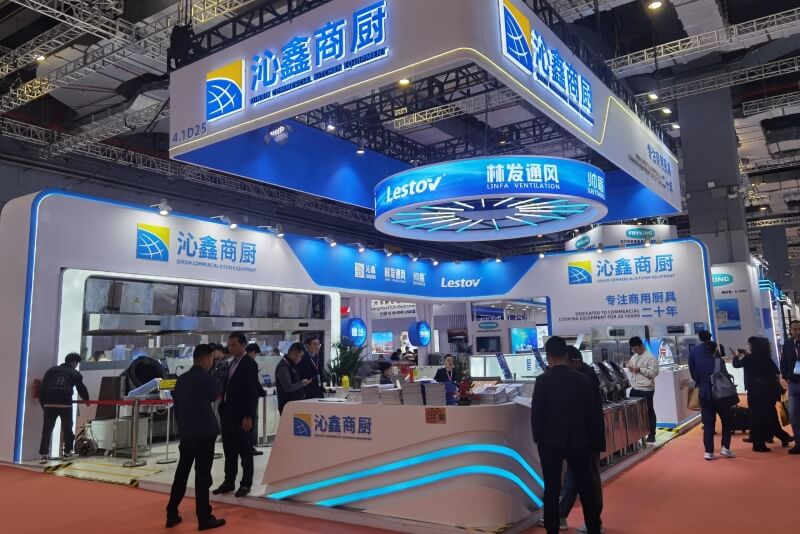
How to Build a Cross-Functional Kitchen with Woks, Automation, and Induction Griddles
In the ultra-competitive global restaurant market, surviving on a single, rigid menu category is becoming a high-risk strategy. Consumer palates are evolving rapidly. Today, a successful fast-casual or full-service restaurant chain in New York, London, or Toronto often needs to be a hybrid master:
Serving high-heat Asian stir-fries, sizzling teppanyaki noodles, juicy smash burgers, and perfectly seared premium steaks—all out of the same back-of-house (BOH) footprint.
For Culinary R&D Directors and F&B owners, this level of menu diversification creates a severe operational bottleneck. If you buy dedicated, traditional gas appliances for every separate menu item, your kitchen will quickly become overcrowded, hot, inefficient, and remarkably expensive to operate.
The secret to modern menu agility lies in building a cross-functional, all-electric kitchen ecosystem. By pairing the raw artistry of a commercial induction wok range, the standardized muscle of a commercial automatic cooking machine, and the flat-top versatility of a heavy-duty commercial induction griddle, you create an unstoppable culinary triad.
THE CROSS-FUNCTIONAL BOH TRIAD
| [Induction Wok] + [Smart Cooking Robot] + [Induction Griddle] |
| | |
| (Artisan Flair) (Volume Standardization) (Flat-Top Versatility)
In this comprehensive guide, we will analyze how these three core electric assets work together to expand your menu capabilities, skyrocket your ticket times, and deliver flawless culinary consistency across Western and Asian cuisines.
I.The Surface Master: The Strategic Role of the Commerciële inductieplaat (Teppanyaki) in Modern Kitchens
Let’s first introduce the cornerstone of direct-contact surface cooking: the heavy-duty commercial induction griddle/flat-top grill. Whether your menu features premium American smash burgers, Japanese Teppanyaki, breakfast pancakes, or grilled Mediterranean seafood, the griddle plate is the most heavily utilized surface in Western and cross-over dining formats.
1. The Physics of Precision Surface Searing
Traditional gas flat-tops take a long time to heat up, suffer from massive “cold spots” across the plate, and dump immense radiant heat into the kitchen. Upgrading to a premium commercial electric flat top griddle powered by advanced induction technology revolutionizes your BOH economics:
- Zero Recovery Time & Perfect Temperature Uniformity:
When you drop 20 cold, raw beef patties or thick ribeye steaks onto a traditional griddle, the surface temperature plummets, causing the meat to stew in its own juices rather than sear.
An induction griddle delivers instant, localized high-wattage electromagnetic energy directly underneath the heavy chrome or stainless steel plate. The heat recovery time is virtually zero, locking in juices instantly and creating that perfect, caramelized crust (the Maillard reaction) every single time.
- Independent Multi-Zone Control (Menu Agility)
Premium commercial electric griddle manufacturers design these units with independent heating zones. This means a line cook can set Zone A to a blistering 230°C (450°F) for high-speed smash burgers, Zone B to 180°C (350°F) for scrambling eggs or flash-grilling teppanyaki noodles, and Zone C to 100°C (210°F) as a holding zone to keep finished foods hot. This allows a single appliance to manage your entire breakfast, lunch, and dinner surface-cooking pipeline.
INDUCTION GRIDDLE ZONE MANAGEMENT
| Zone A | Zone B | Zone C |
| 230°C | 180°C | 100° |
| (Smash Burgers) | (Teppanyaki/Eggs) | (Holding Zone) |
2. Best Applied Scenarios for the Induction Griddle
If your restaurant features Japanese teppanyaki concepts, gourmet burger joints, classic Western breakfast diners, Mexican cantinas (for fajitas/tortillas), or hybrid fast-casual bowls, a commercial induction griddle is your foundational surface engine. It maximizes your cooking surface area while drawing minimal electric power and keeping ambient kitchen heat incredibly low.
-

Commercial Electric BBQ Grill with Caster LT-SKL-E112
-

Commerciële inductiekookplaten met thermostaat LT-TPL-B135
-

Freestanding Food Truck Induction Griddle with Thermostat LT-PL-E108
-

Lestov Tabletop Commercial Induction Flattop Iron Griddle LT-TPL-B105
-

Restaurant Electric Teppanyaki Grill Dosa Tawa LT-TBS-E108
-

Tabletop Restaurant Electric BBQ Grill LT-TSKL-E112
-

Tabletop Restaurant Induction Flattop Cooking Griddle LT-TPLII-B135
Products by Category
II.The Artisan Signature: Pairing the Griddle with a Commerciële inductiewok
A truly versatile modern menu often blends flat-top searing with high-velocity wok cooking. Think of a popular Asian-fusion or global street-food concept: while the commercial induction griddle is busy searing protein strips and charring vegetables, your commercial induction wok range is firing up signature sauces, tossed fried rice, or premium noodle plates that require intense wok hei.
1. The Dual-Engine Line Dynamic
By placing a high-power commercial induction wok station right next to your multi-zone induction griddle, you create a highly fluid cooking line that excels at dual-style menu items:
- The Teppanyaki Express Workflow
On the induction griddle, the chef can flash-fry large batches of chicken, shrimp, and premium beef slices alongside yakisoba or lo mein noodles. Once the proteins are perfectly seared, portions can be transferred to the curved induction wok to be rapidly glazed with high-heat teriyaki, black pepper, or sweet-and-sour sauces.
The wok provides that violent, smoky tossing action that coats every strand of noodle, while the griddle provides the uncompromised surface area for mass protein searing.
- Optimizing CapEx and BOH Energy Load
Because both appliances run entirely on premium electromagnetic induction, they operate at 90%+ energy efficiency. They do not release combustion exhaust, meaning they can share the same compact electric ventilation line, drastically reducing your restaurant’s carbon footprint and energy utility bills.
Products by Category
-

3500W Commercial Portable Induction Wok Burner LT-TAM-B135
-

3500W tafelmodel inductie wok fornuis LT-TAM-A135
-

5000W Countertop Restaurant Induction Wok Burner LT-TAM-B505
-

Chinees Commercieel Inductiewokfornuis met één brander LT-X400
-

Commercial Induction Round Wok Fryer with Omron Thermostatic LT-D700
-

Commerciële inductie wokbrander met grote koekenpan LT-X400-D800
-

Double Burners Commercial Induction Wok Cooker with 2 Pots LT-X400II-E108S
-

Double Burners Industrial Induction Wok Stove LT-X400Ⅱ-E108Y
III. The Automation Workhorse: Letting Automatische kookmachines Handle the High-Volume Basics
While your chefs are managing the high-margin, visually expressive dishes on the commercial induction griddle and manual induction wok range, how do you ensure that your high-volume foundational items—like bulk white rice, house chow mein, fried rice bases, and bulk batch sauces—are produced without bottlenecking your kitchen line?
This is exactly where you deploy your commercial automatic cooking machine asset.
1. The Operational Synergy of the Three-Tier Kitchen
By delegating the repetitive, high-volume stir-fry tasks to an automated system, you optimize your entire kitchen workforce:
- The Automated Foundation:
You program your touchscreen smart cooking machine or button-controlled cooking robot to mass-produce 20 portions of signature vegetable fried rice or house chow mein.
A general kitchen helper loads the hoppers or drum, presses start, and walks away. The machine handles the entire continuous rotation and temperature progression flawlessly.
- The Artisan Finish:
Once the automated stir-fry machine pours out the perfectly consistent base noodles or rice, the line cook takes a portion, places it on the commercial electric flat top griddle or inside the manual induction wok cooker, adds a premium, freshly grilled steak or shrimp skewer cooked to order, adds a final customized splash of sauce, and plates it.
This hybrid workflow gives you the absolute best of both worlds: the lightning speed and rock-solid cost-control of automation, combined with the premium presentation and fresh appeal of artisan line cooking.
THE HYBRID ASSEMBLY PIPELINE
| Smart Cooking Robot | Commercial Induction Griddle
| (Mass Produces Base Rice/ | (Sears Premium Proteins to
| Noodles with 100% SOP) | Order: Steaks, Burgers) |
| |
[Line Cook Assembles & Plates]
[Premium, High-Margin Output!]
Products by Category
-

Automatic Cooking 6 Burners Commercial Induction Cooker LT-B300VI-E235
-

Automatic Food Stir-Fryer Wok Machine-LT-CD300L-A105
-

Automatic Robotic Wok Cooking Machine for Restaurant Canteen LT-CD300-B205
-

Commerciële automatische gebakken rijstmachine -LT-TGD36
-

Countertop Commercial Gas Automatic Fried Rice Machine LT-TGD36R
-

Countertop Robot Wok Cooker with Touch Screen LT-TGQ30J
-

Countertop Rotating Stir-Fry Machine for Restaurant LT–TGD30
-

Heavy-duty Automatic Stir-Fryer for Commercial Kitchen LT-GD36
IV. Selecting the Right Griddle, Wok, and Automation Configuration from the Factory
When working directly with a comprehensive commercial kitchen equipment manufacturer, you can customize your line based on your volume requirements, menu diversity, and kitchen real estate. Let’s look at the technical layout choices for these three essential pillars:
- UI and System Integration: Tactile vs. Smart Networked
- Heavy-Duty Button/Dial Control
Ideal for both induction griddles and woks. Rugged rotary knobs or heavy physical buttons allow line chefs to quickly adjust zone temperatures with tactile certainty, even in the middle of a chaotic dinner rush.
- Touchscreen & Cloud Synchronization
Best implemented on your commercial automatic cooking machines. It allows your corporate culinary team to lock down core base recipes digitally, ensuring that the foundational components of your menu taste the same across every single franchise location globally.
2. Spatial Scale: Countertop Agility vs. Freestanding Power
- Tabletop / Countertop Layouts
You can design a highly compact, hyper-efficient “Express Line” by placing a countertop induction griddle, a countertop induction wok cooker, and a tabletop cooking robot side-by-side on a single 72-inch stainless steel equipment stand. This is the ultimate dream layout for food trucks, container kitchens, shopping mall kiosks, and high-margin ghost kitchens.
- Vertical / Standalone Configurations
Designed for high-capacity footprints like buffets, hotel banquets, central production kitchens (CPKs), and massive corporate canteens. Freestanding multi-zone induction griddles paired with high-capacity vertical rotating stir-fryers allow minimal staff to feed thousands of patrons daily with zero lag time.
V. The Ultimate Menu and Asset Allocation Matrix
To help your operations management and kitchen design teams construct the most profitable back-of-house layout, this matrix outlines exactly where each appliance shines across your menu architecture:
| Operational Metric | Commerciële inductieplaat | Commerciële inductiewok | Commercial Automatic Cooking Machine |
| Core Culinary Function | Direct-contact surface searing, flat-top grilling, teppanyaki | High-heat manual tossing, flash reduction, rapid sauce glazing | Continuous automated drum rotation, bulk stir-fry standardization |
| Best Menu Match | Smash burgers, steaks, bacon, eggs, fajita proteins, teppanyaki noodles | Custom chow mein, specialty seafood stir-fries, glazed premium bowls | Bulk fried rice bases, batch noodles, uniform stir-fried vegetables, stews |
| Temperature Profile | Uniform, multi-zone flat surface heat (0°C – 300°C) | Concentrated concave high-intensity heat (Up to 35kW) | Programmed, step-by-step automated heat curves and intervals |
| Skill Level Required | Medium (Basic line-cook grilling skills) | High (Specialized professional wok chef) | Low (Any kitchen porter or general helper) |
| BOH Spatial Value | Replaces multiple frying pans and traditional charbroilers | Replaces hot, hazardous gas open-flame wok rings | Replaces repetitive manual labor lines and heavy prep stations |
| Ideal Restaurant Format | Burger joints, Western diners, Japanese Teppanyaki, Mexican QSRs | Gourmet Asian bistros, Fine Dining Fusion, Upscale Hotels | Fast-Casual Franchises, Ghost Kitchens, Mass Institutional Canteens |
VI. Conclusion: Future-Proofing Multi-Concept Hospitality
The modern hospitality industry no longer rewards single-dimensional kitchens. To capture diverse demographics, maximize third-party delivery revenues, and insulate your business from changing food trends, your back-of-house must be a flexible, highly efficient production engine.
By integrating a heavy-duty commercial induction griddle alongside a commercial induction wok cooker and smart automated stir-fry robots, you create an all-electric, eco-friendly, and human-centric kitchen line capable of executing almost any global menu concept flawlessly.
Stop letting limited equipment capabilities dictate your menu, and stop letting gas liabilities and chef shortages stall your growth. Analyze your menu potential, look at your throughput requirements, and implement the ultimate electric triad.
Original Manufacturer – Lestov
If you are currently expanding a hybrid restaurant concept overseas, engineering a cross-over fast-casual franchise menu, or upgrading a legacy kitchen to meet modern electric codes and diverse culinary demands, let’s build together.
Leave a comment below or contact us directly as your premier international commercial kitchen equipment manufacturer. We provide factory-direct, globally certified induction woks, multi-zone induction griddles, and advanced cooking automation systems tailored to your specific voltage, safety, and culinary requirements. Let’s collaborate to build your high-yield, cross-functional kitchen today!
Global Procurement Advisory: We are a comprehensive OEM/ODM manufacturer of advanced commercial food machinery. Our commercial export lines include heavy-duty multi-zone induction griddles (flat-tops), premium commercial induction wok ranges, compact tabletop cooking robots, and heavy-duty vertical fully-automatic stir-fry systems.
All equipment options are fully configurable to meet strict international safety and sanitation regulations (CE available). Contact our global business development office today for factory-direct pricing, custom workflow schematics, and regional container shipping timelines!
automatische kookmachine automatische kookmachines bbq chip fryer commercial cooking equipment commercial drop in induction cooker commercial food steamer commercial induction cooker commercial induction cooktop commerciële inductiefriteuse commercial induction fryer commerciële inductieplaat commercial induction soup cooker Commerciële inductiestoomkoker commerciële inductiewokplaat commerciële keuken cookware food steamer hob induction cooker induction cookware INDUCTION FRYER induction grill induction hob iron wok kitchen equipment repair guide restaurangt equipment restaurant equipment stainless steel cookware user's guidance
Verwante berichten


Comments (0)