
For fast-food franchisees, QSR (Quick Service Restaurant) chains, sports venue concessionaires, and commercial kitchen MEP…
Why Fast-Casual Chains Are Upgrading to Precision Induction Deep Fryers
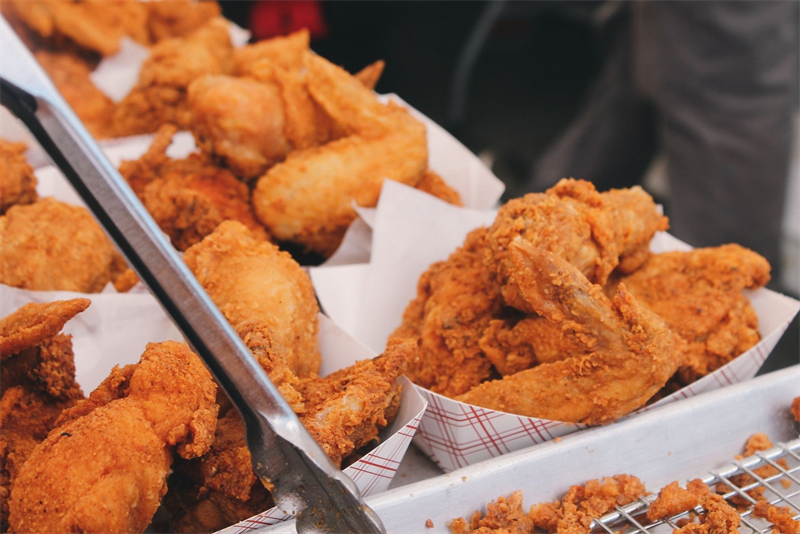
For Marcus Sterling, VP of Operations at Crisp & Co. Fast-Casual Group—a rapidly expanding franchise with 22 locations known for hand-breaded Nashville hot chicken, artisanal French fries, and tempura seafood—the Friday night dinner rush was becoming an operational nightmare.
Frying high volumes of frozen proteins and starch-heavy items requires rock-solid temperature stability. When cold chicken or French fries hit hot oil, the oil temperature plunges instantly.
If a fryer cannot recover heat immediately, the food absorbs too much oil, resulting in soggy, greasy fried items instead of a golden, crispy crust.
| THE TRADITIONAL GAS/ELEMENT FRYER CRISIS | |
| RAPID OIL DEGRADATION: Scorched sediment speeds oxidation, requiring total oil dumps every 2 days. | FIRE HAZARDS & OVERHEAT: Exposed electric elements/flames ignite accumulated grease sediment. |
| SLOW THERMAL RECOVERY: Cold drops cause temperature drops, yielding soggy, oil-soaked food. | MASSIVE UTILITY WASTAGE: Gas burners waste over 65% of energy into the kitchen ambient air. |
The operational liabilities facing Marcus’s franchise were threatening both bottom-line profit margins and food quality consistency:
Astronomical Cooking Oil Expenses
Traditional gas burners or submerged heating elements apply intense, localized heat directly to the oil basin. Floating sediment and breading fall onto hot burner tubes and scorch, accelerating chemical oxidation, free fatty acid (FFA) buildup, and darkening. As a result, each store was forced to dump and replace $1,200 worth of shortening every week.
Slow Recovery Times & Greasy Food
Gas fryers respond slowly to cold load drops. During peak rushes, oil temperatures dropped by 25-35℃ and took up to 4 minutes to recover. This prolonged soak time caused fried items to absorb up to 22% more oil, ruining texture and inflating ingredient costs.
Severe Fire Hazards and Difficult Sanitation
Sediment buildup around heating elements or gas fire tubes created a constant ignition risk. Cleaning burnt residue required hours of toxic chemical boil-outs, causing employee dissatisfaction and safety liabilities.
Crushing Energy Bills
Conventional gas fryers operate at a dismal 30%-35% thermal efficiency, spilling excess heat into the kitchen and forcing air conditioning units to run continuously at maximum capacity.
Marcus needed an industrial frying system that maintained ±1℃ temperature accuracy, isolated sediment in a true cold zone to double oil lifespan, recovered heat instantly, and slashed monthly utility expenses.
The breakthrough came with deploying Commercial Heavy-Duty Precision Induction Deep Fryers with Sediment Cold-Zone Technology.
| [ Cold Food Load: Frozen Chicken / Fries ] | |
| 1. 3D External Induction Coil Array | ──► Direct 90%+ Electromagnetic Heat |
| 2. Sub-Surface RTD Thermal Probe | ──► Instantaneous ±1°C Temp Recovery |
| 3. True Sediment Cold-Zone Basin Base | ──► Sediment Settles Below Heating Zone |
| 4. Double Oil Lifespan & Crisp Texture | ──► Zero Scorching, 50% Oil Savings |
| [ Perfect Golden Crunch: Zero Grease Soak ] | |
1. Engineering Architecture: Precision Induction Deep Fryer Technology
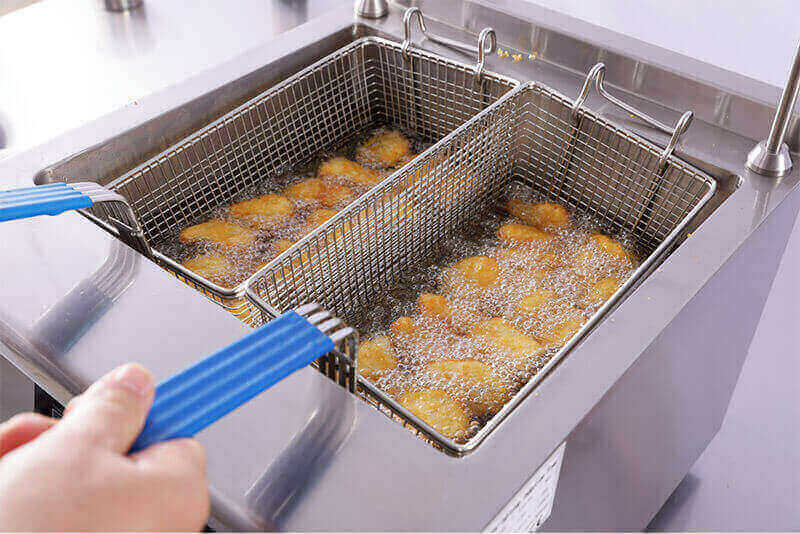
Unlike legacy fryers that submerge electric heating elements directly inside the oil or blast open flames against thin metal walls, a commercial heavy-duty precision induction deep fryer applies electromagnetic energy through the exterior basin walls, combined with a specialized sediment isolation chamber.
| [ Upper Cooking Zone: 175°C–190°C Active Frying ] | |
| Heavy-Duty Stainless Steel Basin Shell | |
| External 3D Induction Coil Array (High Power) | <– Direct Tank Wall Heating |
| Sub-Surface RTD Precision Thermal Probe | <– Fast ±1°C Feedback |
| True Sediment Cold-Zone Base (<70°C Unheated Zone) | <– Crumb Settling Area |
(1)3D External Vessel Wall Induction Heating
High-frequency alternating current (20-40kHz) powers a heavy-duty copper coil array wrapping around the exterior of the stainless steel frying tank.
Heat is induced directly inside the vessel wall itself, eliminating burnt elements and achieving a thermal efficiency rate exceeding 90%. Because the interior tank walls remain smooth without heating tubes, cleaning takes minutes instead of hours.
(2)True Sediment Cold-Zone Technology
By positioning the induction coil array exclusively along the upper and mid-sections of the basin walls, the lower V-shaped base remains an unheated Cold Zone (<70℃). Crumb, batter drippings, and sediment fall naturally into this calm, unheated oil zone.
Because sediment never comes into contact with hot surfaces, it does not scorch or carbonize, halting oil breakdown and extending lifespan by 30%-50%.
(3)Millisecond Thermal Response & Instant Heat Recovery
A sub-surface contact RTD sensor monitors oil temperature at 10ms intervals. The moment cold frozen items enter the oil, the microcontroller instantly ramps power up to 100%, restoring the target frying temperature (180℃) in seconds. Rapid surface searing seals food instantly, trapping internal moisture and preventing excess oil absorption.
2. Comparative Performance Matrix: Gas Tube Fryer vs. Standard Electric Fryer vs. Precision Induction Fryer
| Performance Metric | Traditional Gas Tube Fryer | Standard Electric Immersion Fryer | Commercial Precision Induction Deep Fryer | Engineering & Operational Advantage |
| Thermal Energy Efficiency | 30%-35% (Severe flame loss) | 70%-75% | 90%+ | Direct tank-wall electromagnetic heating cuts electric bills by 40%+. |
| Oil Lifespan Extension | 2-3 Days (Fast crumb scorching) | 3-4 Days (Scorching on tubes) | 6-8 Days (Cold-Zone isolation) | Doubles shortening lifespan, cutting annual oil replacement expenses in half. |
| Heat Recovery Time (Cold Load Drop) | 3.5-5.0 minutes | 2.5-3.5 minutes | 30-45 seconds | Prevents oil absorption, delivering crispier food with less oil uptake. |
| Temperature Control Precision | ±8-12℃ (Broad thermal swings) | ±5-7℃ | ±1℃ (Microprocessor RTD) | Eliminates undercooked or burnt batches across all store locations. |
| Sanitation & Boil-Out Time | 1.5-2.0 hours (Difficult tube scrubbing) | 1.0-1.5 hours | 15 minutes (Smooth tube-free tank) | Tubeless tank design allows fast wipe-downs and effortless maintenance. |
| Fire Hazard Risk | High (Open flame + sediment ignition) | Moderate (Exposed heating elements) | Near Zero (Auto-shutoff, no exposed elements) | Lower fire risk reduces restaurant insurance premiums. |
Products by Category
-

27L Commercial Double Baskets Induction Fryer for Food Truck LT-ZLII
-

Commercial Induction Dual Baskets Chip Fryer with Caster LT-ZLII-E112
-

Double Tank Commercial Induction Deep Fryer LT-ZAL-E108
-

Komercyjna frytkownica indukcyjna z podwójnym koszem LT-TZL-B105
-

Heavy-Duty Four Basktes Induction Fryer 54L LT-ZLII-D112
-

Single Cylinder Commercial Portable Induction Deep Fryer LT-TZL-B135
-

Single Tank Restaurant Tabletop Induction Deep Fryer with Thermostatic 8L LT-TZL-D135
-

Tabletop Double Tank Restaurant Induction Fish Fryer LT-TZL-S135
3. Operational Economics: ROI Calculation & Oil Cost Savings
Daily Operating Cost Comparison (2-Well Fryer Station / 250 Batches Output)
Legacy Gas Tube Fryer Station: $148/day
Precision Induction Deep Fryer Station: $56/day [62.1% Operational Savings]
4. Financial Audit: Fast-Casual Franchise Outlet (Dual-Well 20L Fryer Setup)
Consider an outlet operating 12 hours per day, running two 20-liter fryer vats:
(1)Cooking Oil Expense Reduction
Legacy Fryer Setup: Requires complete oil dumps every 3 days due to sediment scorching (100L oil/week at $2.80L = $280/week per store).
Induction Cold-Zone Setup: Extends oil usage to 7 days (43L oil/week at $2.80/L = $120/week).
Weekly Oil Savings: $280 – $120 = $160.00/week ($8,320.00/\year).
(2)Direct Energy Utility Savings
Replacing a 30kW gas burner array with an 18kW high-efficiency 3D induction system reduces daily energy costs from $24.50day (gas) to $11.80/day (electricity).
Annual Energy Savings: $4,635.50 per year.
(3)Food Yield & Oil Absorption Preservation
Instant thermal recovery prevents food from soaking up excess oil, saving approximately 1.5L of oil absorption loss daily ($1,533.00/year).
Total Annual Operational Savings Per Store} = $8,320.00 (Oil) + $4,635.50 (Energy) + $1,533.00 (Yield) = $14,488.50 USD / year
With an equipment investment of approximately $6,200-$8,500 USD for a dual-well commercial precision induction fryer, full capital payback (ROI) is achieved in under 6 to 7 months.
5. Safety, HACCP Hygiene, and Maintenance Standards
Auto-Lift Basket Timers: Programmable digital control panels automatically raise frying baskets when the timer expires, eliminating overcooked products.
Overheat Cutoff Interlock: Dual safety limit thermostats cut power instantly if oil temperatures exceed 210℃, preventing flash-point oil fires.
IPX6 Washdown Chassis: Built entirely from 304 stainless steel with a sealed electrical compartment, enabling effortless daily spray-cleaning.
Technical Procurement Specification Checklist
When sourcing commercial precision induction deep fryers, ensure your procurement specification includes these core requirements:
External 3D Induction Coil Assembly: Tubeless interior tank wall heating with 90%+ thermal efficiency.
True Sediment Cold-Zone: Unheated lower basin chamber maintaining temperatures below 70℃ to prevent crumb burning.
Sub-Surface RTD Probe: Temperature control accuracy within ± 1℃ with sub-45-second cold load thermal recovery.
304 Stainless Steel Tubeless Tank: Smooth interior basin for rapid sanitation without heating elements or flame tubes.
Integrated Auto-Lift System: Motorized basket lifting mechanism linked to digital cooking countdown timers.
automatyczna maszyna do gotowania automatyczne urządzenia do gotowania grill frytownica komercyjny sprzęt do gotowania komercyjna kuchenka indukcyjna komercyjny parowar do żywności komercyjna kuchenka indukcyjna komercyjna płyta indukcyjna komercyjna frytkownica indukcyjna komercyjna frytownica indukcyjna komercyjna płyta indukcyjna komercyjny indukcyjny szybkowar do zup Komercyjna kuchenka indukcyjna do gotowania na parze komercyjna kuchenka indukcyjna wok kuchnia komercyjna naczynia kuchenne parowar do żywności płyta kuchenka indukcyjna naczynia indukcyjne FRYTKOWNICA INDUKCYJNA grill indukcyjny płyta indukcyjna żelazny wok wyposażenie kuchni instrukcja naprawy wyposażenie restauracji wyposażenie restauracji naczynia kuchenne ze stali nierdzewnej wskazówki dla użytkownika
Powiązane posty



Komentarze (0)